Skip to content

Staying Safe on the Road

mm Maya Hartwell 12 min read

Six Critical Safety Reminders

  • Wear a seat belt every trip, even in the back seat—it's one of the highest-impact safety moves you can make.
  • Don't drive tired; fatigue is the quiet villain that turns fine into drifting.
  • Keep your phone out of your hands while moving; navigation is great, thumb-typing at 60 mph is not.
  • Plan for boring failures: flat tire, dead battery, no signal, unexpected detour, sudden storm.
  • Check road conditions and local driving culture before asking if a place is safe to travel to.
  • Buy travel insurance for trips where one accident would crater your budget.

The Five-Step Pre-Drive Routine

Before any drive that matters—whether it's a 20-minute airport run or a five-hour push through unfamiliar backroads—run through this five-step routine. It's designed to break accident chains before they start.

First, decide if you should drive at all. If you're sleep-deprived, sick, or emotionally fried, don't power through. Change the plan. Second, set the route while parked: load the destination, preview tricky bits like highway merges or toll roads, and download offline maps if you might lose signal.

Third, do a two-minute vehicle check. Tires look okay, lights work, fuel isn't flirting with empty, and you know where the hazard lights are. Fourth, lock in safety defaults: seat belts for everyone, phone on Do Not Disturb or driving focus, and nothing loose that becomes a projectile in a sudden stop.

Fifth, establish a bail rule. If something feels off—weather, visibility, aggressive traffic—give yourself permission to pull over, reroute, or stop for the night. Having an exit strategy in advance removes the guilt from the smart decision.

Driving yourself gives you the most control and the most responsibility. The biggest mistake is treating unfamiliar roads like familiar ones. Local driving norms vary wildly: lane discipline, right-of-way assumptions, crosswalk respect, shoulder usage, and how common unexpected stops are.

If you're in a new country, check official driving guidance before you arrive and consider an International Driving Permit if required. The U.S. Department of State advises that the only authorized U.S. issuers of IDPs are AAA and the American Automobile Touring Alliance, with the permit fee listed at $20 plus possible photo and shipping fees.

If a random website tries to sell you an international driver's license with flashy badges and overnight promises, treat it like a scam, because it often is. Stick with the authorized issuers and verify requirements for your destination in advance.

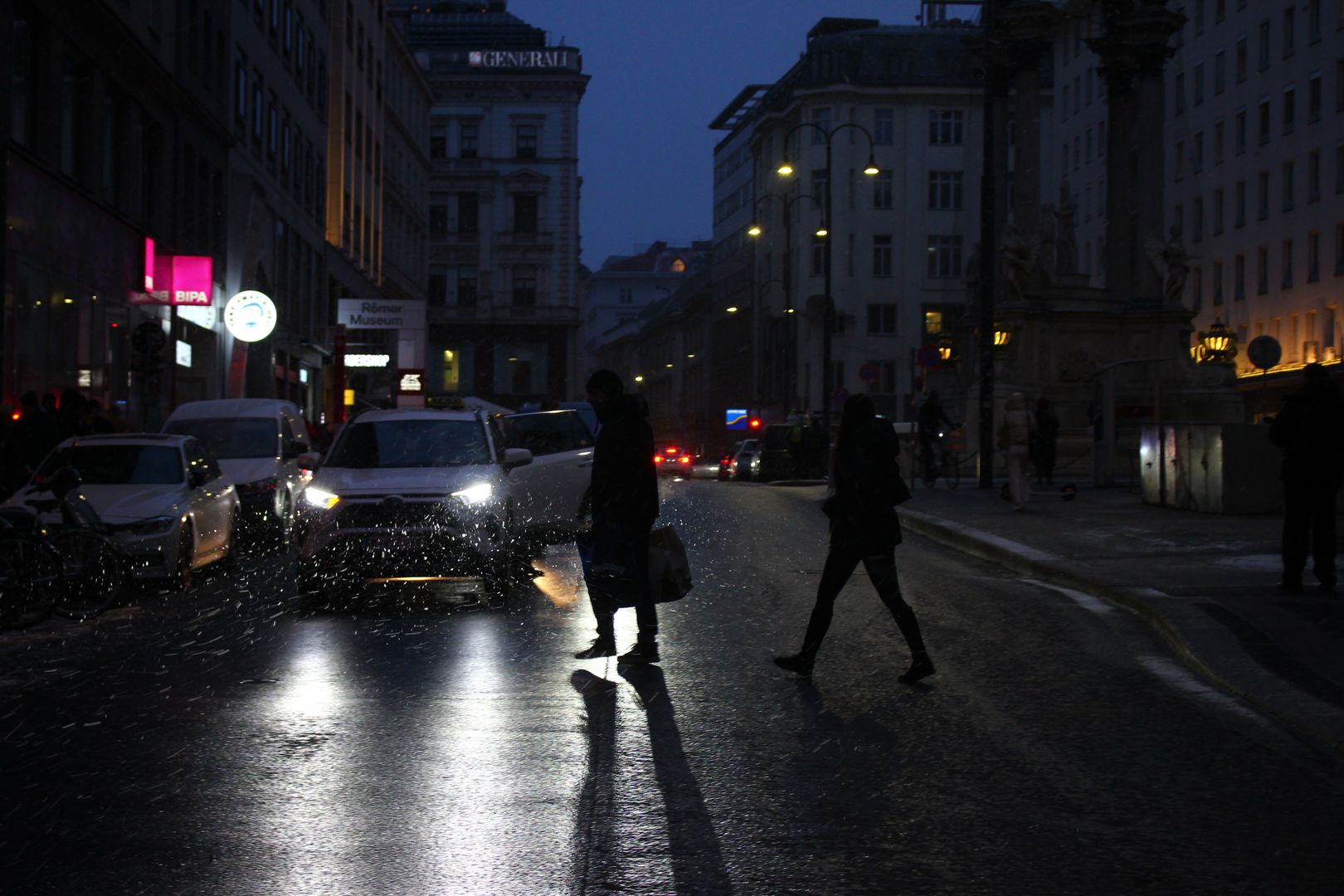
Wet crosswalk at night with car headlights reflected on pavement
A rain-slick city crosswalk at night—bright reflections, dark corners, and one distracted driver.

Passenger and Pedestrian Safety Strategies

You don't stop being responsible just because you're not holding the steering wheel. Whether you're in a rideshare, on a bus, or walking through a city at night, these habits keep you safer.

  • In rideshares and taxis, do a gut-check: does the driver look alert, sober, and in control? If the answer is maybe, get out.
  • Sit in the back seat when alone, buckle up even when the driver doesn't, and keep your phone accessible, not buried in your bag.
  • Request pickups from well-lit, predictable spots instead of waving drivers down in chaotic traffic.
  • On intercity buses or shared vans, choose a seat clear of the front windshield zone and keep valuables on your body, not overhead.
  • At night as a pedestrian, assume drivers can't see you even if they should. Avoid walking while staring at your phone—it turns you into a slow-moving target.
  • Don't step into the street just because a car is slowing down, especially where turning drivers treat crosswalk paint like decoration.

Seat Belts Save Lives

The unglamorous hero of road safety, backed by blunt numbers and zero excuses

Why Seat Belts Matter

This is where the advice stops being warm and fuzzy. If you skip your belt because you're just going a few blocks, you're gambling for no reason. The National Highway Traffic Safety Administration summarizes the benefit in blunt numbers.

Lap-and-shoulder seat belts reduce the risk of fatal injury by 45 percent for front-seat passenger car occupants and by 60 percent for light-truck occupants. The crash you don't expect is the one you get.

If you're traveling with friends, don't outsource the awkward moment. Be the person who says, buckle up, please. People will roll their eyes; people roll their eyes at flossing, too. If you're traveling with kids, the rules get even more specific and vary by country, but the principle is simple: use the correct restraint every time.

Don't let a rushed pickup turn into a safety compromise. The few seconds it takes to buckle up can be the difference between a close call and a life-changing injury.

Managing Fatigue and Distraction

Image

The next highest-return habit after seat belts is managing fatigue and distraction. If you're driving, don't touch your phone—set up navigation before moving, and if you need to change something, pull over. Schedule breaks before you're desperate, because the moment you start micro-sleep bargaining is when your brain quietly quits on you. In winter conditions or heavy rain, treat speed limits as optimistic suggestions that assume ideal traction and visibility, and increase following distance like it's your job.

Three Layers of Road Preparedness

Emergency Kit Essentials

When people ask for safe travel tips, they usually want dramatic advice. The truth is, the best prevention is avoiding opportunities for bad luck. Carry a small kit that solves the most common stuck problems: a flashlight, basic first aid, water, a phone cable that actually fits your device, and a simple tire inflator or sealant if you know how to use it safely. None of this is fancy—it's just what keeps a minor inconvenience from turning into a lonely emergency.

Infrastructure Research

Is it safe to travel to a destination isn't only a question about crime or politics—it's also about infrastructure. Before committing to driving in a place, check whether emergency services are reliable outside major cities, whether night driving is realistic, what the weather does to roads, and how common it is to encounter animals, unmarked speed bumps, or potholes deep enough to qualify as geological features. A destination can be safe in the headline sense and still be the most stressful driving you've done in years.

Communication Plan

Keep a note in your phone and a printed copy when going remote with basics: local emergency number, nearest hospital in the area you're traveling through, and a contact back home labeled ICE. In the U.S. it's 911; across the European Union, 112 is the common emergency number worth memorizing because your brain forgets details when adrenaline shows up. If traveling internationally, enroll in the U.S. Department of State's Smart Traveler Enrollment Program so your nearest embassy or consulate can reach you with updates and assist in an emergency.

Travel Insurance: What to Scan For

Travel insurance stops being a checkbox and starts being a financial seat belt when you realize one road-related medical issue can turn your trip into a long-term money problem. Here's the short list of what to scan for before you buy anything.

  1. Emergency medical coverage limits that match the destination and your risk tolerance.
  2. Medical evacuation and repatriation terms, including how assistance is arranged.
  3. Coverage details for rentals—some plans offer rental car damage coverage, but rules vary by state and plan.
  4. Exclusions that matter in real life: alcohol-related incidents, riding certain vehicles, or participating in certain activities.
  5. The claims process reality: documentation requirements, deadlines, and whether receipts, police reports, or medical notes are required.
  6. 24/7 assistance services you can actually reach when you're stressed, tired, and in a different time zone.
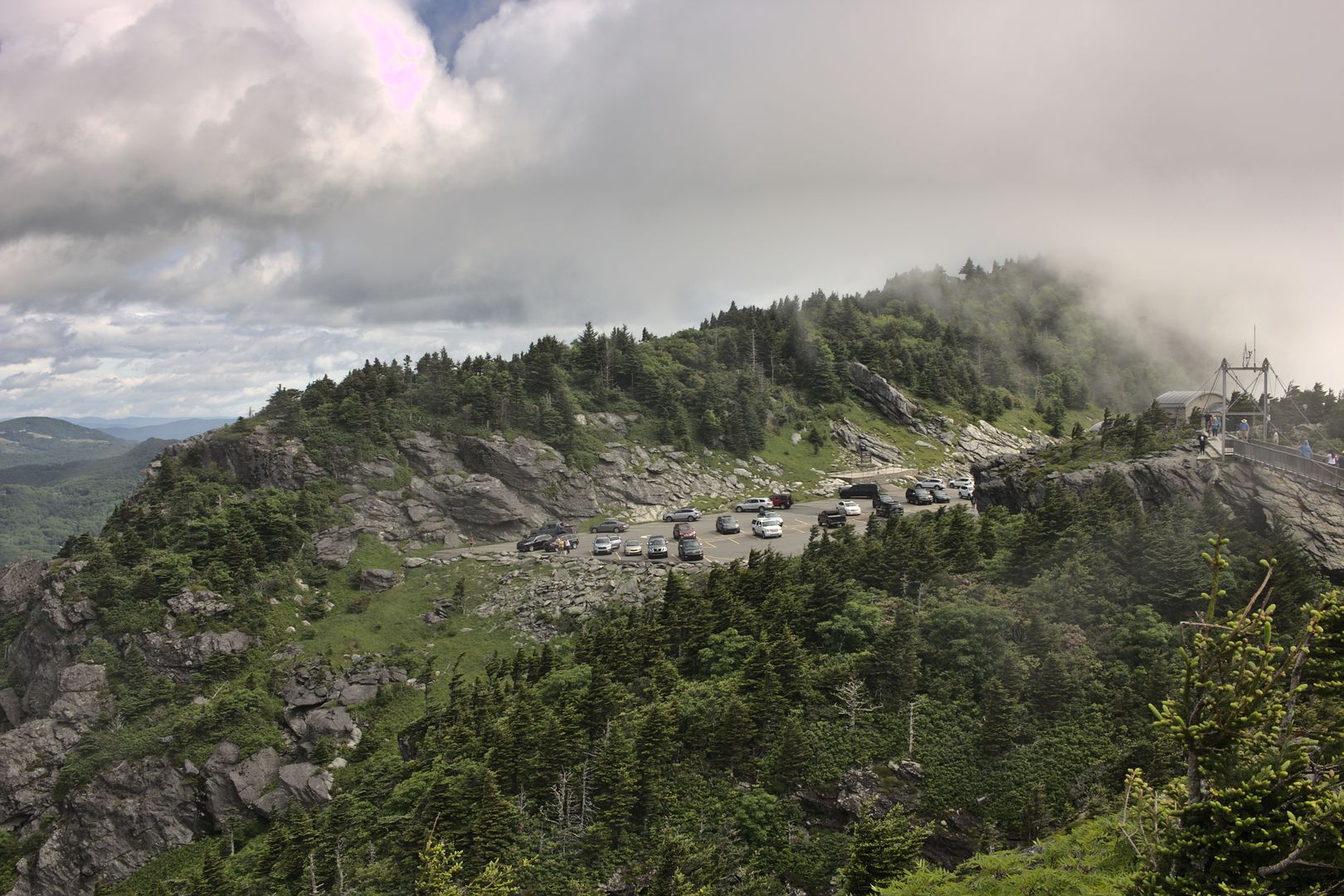
Empty roadside rest area with scenic overlook and parking space
A quiet roadside pull-off with enough space to breathe, check maps, and reset before the next stretch.

Insurance Providers and Coverage Details

As of 2025 guidance commonly cited by major travel insurance marketplaces, comprehensive travel insurance often runs roughly 4 to 10 percent of your prepaid, non-refundable trip costs. Put bluntly: if you've pre-paid $2,000 and you insure it, you might expect something like $80 to $200 as a typical ballpark, depending on your age, destination, and coverage choices.

When someone asks what makes a good travel insurance company, start with the paperwork and the support, not the marketing. In the U.S. market, widely known providers and plan administrators that travelers commonly consider include Allianz Travel Insurance, AIG Travel Guard, World Nomads, Seven Corners, and Travelex Insurance Services.

The right pick depends less on the logo and more on whether the plan fits the way you actually travel. If you're a slow traveler, remote worker, or one-way ticket type, pay attention to eligibility and extension rules. Some plans must be purchased before you leave; others allow purchase while already traveling.

If you're renting scooters or driving in places with strict licensing rules, the boring details—license validity, helmet requirements, local legality—can become the difference between a covered incident and an expensive lesson.

When a crash or serious road incident happens, the first few minutes are about safety, not blame. If you can, get out of active traffic, turn on hazards, and check everyone for injuries. Call emergency services. If you're in a place where interactions with police are complex, stay calm, keep your documents accessible, and avoid on-the-spot arguments.

Take photos of the scene and vehicles if it's safe to do so, get contact and insurance information, and write down what happened while it's fresh. If you feel mostly fine after a collision, don't ignore it—adrenaline is a liar, and symptoms can show up later.


Fatal error: Uncaught ValueError: Unknown format specifier "," in /srv/sites/wanderlust-chronicles/wp-content/themes/trafium-ai/parts/author_box_extended.php:89 Stack trace: #0 /srv/sites/wanderlust-chronicles/wp-content/themes/trafium-ai/parts/author_box_extended.php(89): sprintf('flex: 0 0 auto;...', 96) #1 /srv/sites/wanderlust-chronicles/wp-content/themes/trafium-ai/functions.php(434): include('/srv/sites/wand...') #2 /srv/sites/wanderlust-chronicles/wp-content/themes/trafium-ai/templates/blog-post.php(50): trafium_ai_render_post_block('author_box_exte...', 76, 15) #3 /srv/sites/wanderlust-chronicles/wp-includes/template-loader.php(106): include('/srv/sites/wand...') #4 /srv/sites/wanderlust-chronicles/wp-blog-header.php(19): require_once('/srv/sites/wand...') #5 /srv/sites/wanderlust-chronicles/index.php(17): require('/srv/sites/wand...') #6 {main} thrown in /srv/sites/wanderlust-chronicles/wp-content/themes/trafium-ai/parts/author_box_extended.php on line 89