Skip to content

Epic USA Road Trip Routes

mm Maya Hartwell 12 min read

Road Trip Planning Essentials

  • Keep most driving days to four to six hours so you still arrive with daylight and patience
  • Build in at least one nothing day each week to catch up on sleep, laundry, and your own brain
  • Use one anchor per day—a park, a town, a hike—and let everything else be optional
  • Pre-book only the hard-to-get nights and wing the rest to stay flexible
  • Budget like someone who will miss a turn and buy snacks twice, not like an optimist
  • Share your plan with one person back home and update them when you change it

My Planning Rhythm That Actually Works

My planning rhythm is simple, and it works whether you're plotting two days or two weeks. First, pick your why—coastline, desert, mountains, music cities, national parks—and choose a route built around that mood. Second, decide the length of your driving day before you pick stops. This prevents that classic itinerary mistake where everything is only two hours apart on a map, not in real life.

Third, lock your anchors: a start city, an end city, and the two or three places you'll be genuinely upset to miss. Fourth, add buffers for weather and fatigue. The travelling road has a way of demanding humility, especially in the West where distances are big and services can be small.

Fifth, only then do you start sprinkling in nice-to-haves like viewpoints, diners, odd museums, and the kind of thrift store you swear you're just popping into. This order prevents overcommitment and leaves room for the detours that become your best stories.

Download offline maps before you lose service. Keep a paper backup in remote areas. Know where your next real grocery store is, not just a convenience mart with mystery bananas. Carry a basic kit: tire pressure gauge, flashlight, phone charger that actually works, first-aid kit, and a physical credit card in case your digital wallet decides it needs a day off.

If you're renting a car, take five minutes in the parking lot to photograph the exterior and windshield. Future you will be grateful when that scratch was already there becomes a conversation with the rental company.

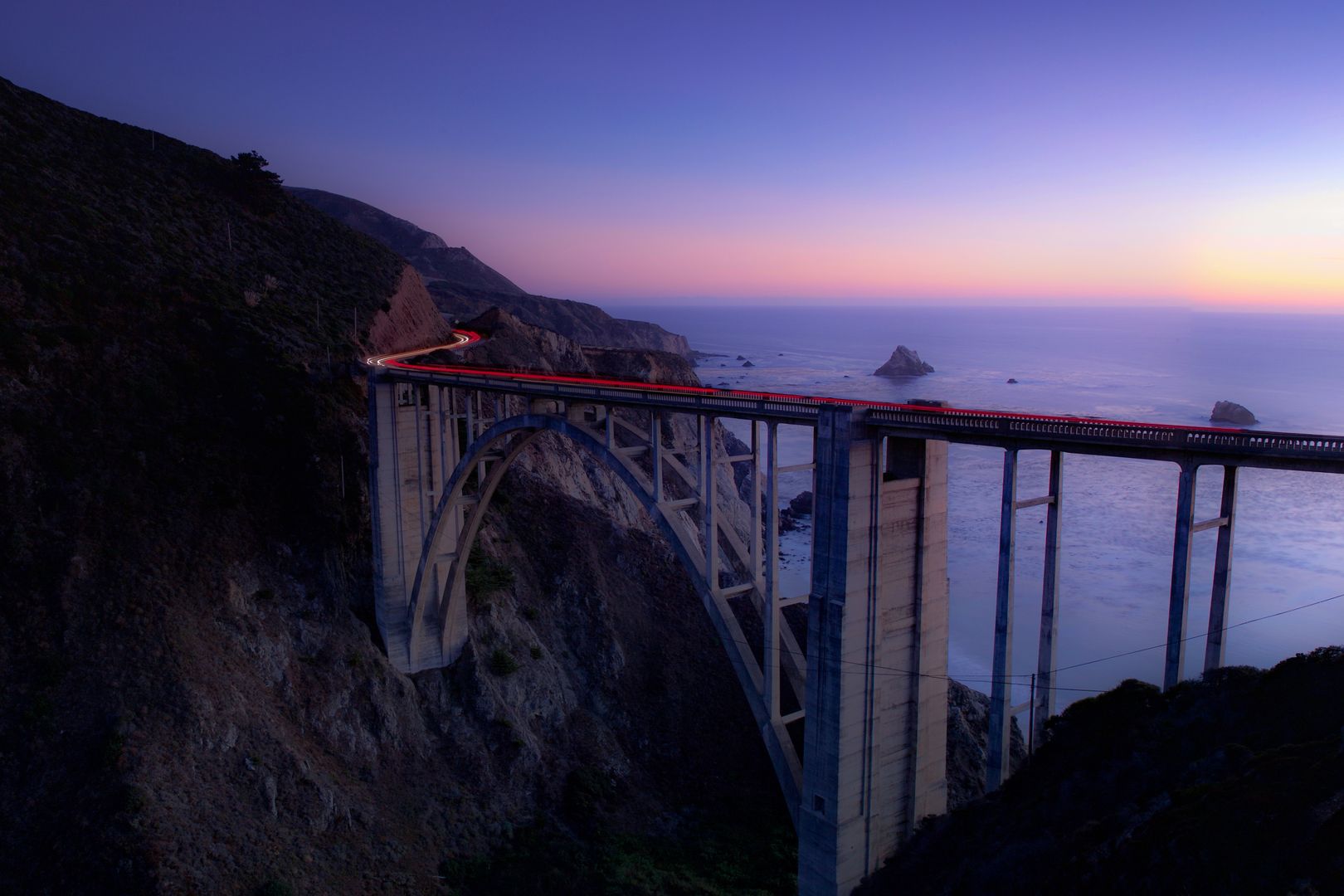
California coastal highway curving along ocean cliffs
Highway 1 curves through Big Sur with the Pacific stretching to the horizon

Money and National Park Passes

Price your road trips in three layers and understand the new 2026 fee structure

The Honest Budget Reality

I price my road trips in three layers: fixed costs like car rental or maintenance, insurance, and tolls; nightly costs including camping or a basic motel; and variable costs for fuel, food, and paid attractions. If you're using federal recreation areas heavily, the pass situation matters as of January 1, 2026. The America the Beautiful annual pass is eighty dollars for U.S. residents and two hundred fifty dollars for nonresidents. Also as of 2026, nonresidents age sixteen and older must pay an additional one hundred dollar nonresident fee at a list of high-demand national parks including Yosemite, Yellowstone, Zion, Grand Canyon, Glacier, Rocky Mountain, and others unless they're admitted with an annual pass. If you're eligible for the eighty dollar resident pass and you'll hit multiple fee parks, it can pay for itself fast. For a realistic baseline, I usually estimate food at thirty to sixty dollars per person per day if I mix groceries with a couple of cheap meals out, plus ten to twenty-five dollars per day for park-day snacks and caffeine because I'm not a monk. Lodging is the biggest swing: camping can be low-cost when you can get a site, while last-minute rooms in popular areas can spike hard, especially on weekends. My favorite compromise is alternating: two nights camping, one night indoors to reset, shower like a normal person, and stop pretending my hair is fine.

Clear Order of Operations

If you like having a clear order of operations, here's the simple system I use to map and execute a route without overbooking myself into misery:

  1. Pick a theme route and set a maximum daily drive time
  2. Decide your direction based on weather and sunrise or sunset if photography matters
  3. Book the scarce nights early: popular park gateways, long weekends, and holiday weeks
  4. Build a daily skeleton with one anchor stop, one backup stop, one easy evening activity
  5. Download offline maps and confirm fuel and grocery options in remote stretches
  6. Do a ten-minute car check each morning: tires, lights, fluids, and whether yesterday's trash is starting to smell like regret

Top Four Route Picks

Image

When people ask me for the best routes, they usually mean the best trip for someone like me. So instead of pretending there's one perfect answer, here are four top picks with honest trade-offs. Each delivers a different rhythm and reward level.

Four Routes with Honest Trade-Offs

Each route delivers a different rhythm, landscape, and challenge level

Routes Compared Side by Side

Best Overall: California Coast

Highway 1 and U.S. 101 deliver ocean views for days, excellent food stops, and easy customization from a long weekend to two weeks with a steady rhythm of small towns. The trade-offs are summer crowds, higher lodging prices, and occasional closures or slowdowns on the most dramatic coastal segments, so you need flexibility. This route suits first-timers, photographers, and anyone who wants a high reward-to-effort ratio without marathon distances.

Runner-Up: Southwest Loop

The Southwest loop through Utah's Mighty 5 plus the Grand Canyon delivers otherworldly scenery, iconic hikes, and a sense that you've landed on another planet. The weaknesses are heat in summer, long distances between services, and limited shade, so your sun protection game has to be strong. This route suits hikers, stargazers, and travelers who can start early and respect desert timing with realistic expectations about heat and remoteness.

Slower Pace: Blue Ridge Parkway

The Blue Ridge Parkway into Great Smoky Mountains country offers gentle driving, overlook after overlook, waterfall hikes, and scenery that makes even a gas station look poetic. The weaknesses are fog that can wipe out views and weather that flips quickly at elevation. This route suits anyone who wants scenic driving without marathon distances, especially in spring and fall when the weather cooperates and the colors deliver.

Getting Specific About the Coast

On the California coast, I like to start with one of two spines: Highway 1 for drama, or U.S. 101 when I want speed and reliability. Big Sur is the headline act, but it's not the only show. Santa Barbara's laid-back beach town energy, the elephant seals near San Simeon, and the foggy curves north of San Francisco can be just as memorable.

The key is resisting the temptation to treat viewpoints like a checklist. Pick one long coastal hike or beach day so you're not just hopping out of the car, taking the same photo, and moving on. That's when the coast stops being a backdrop and starts being an experience.

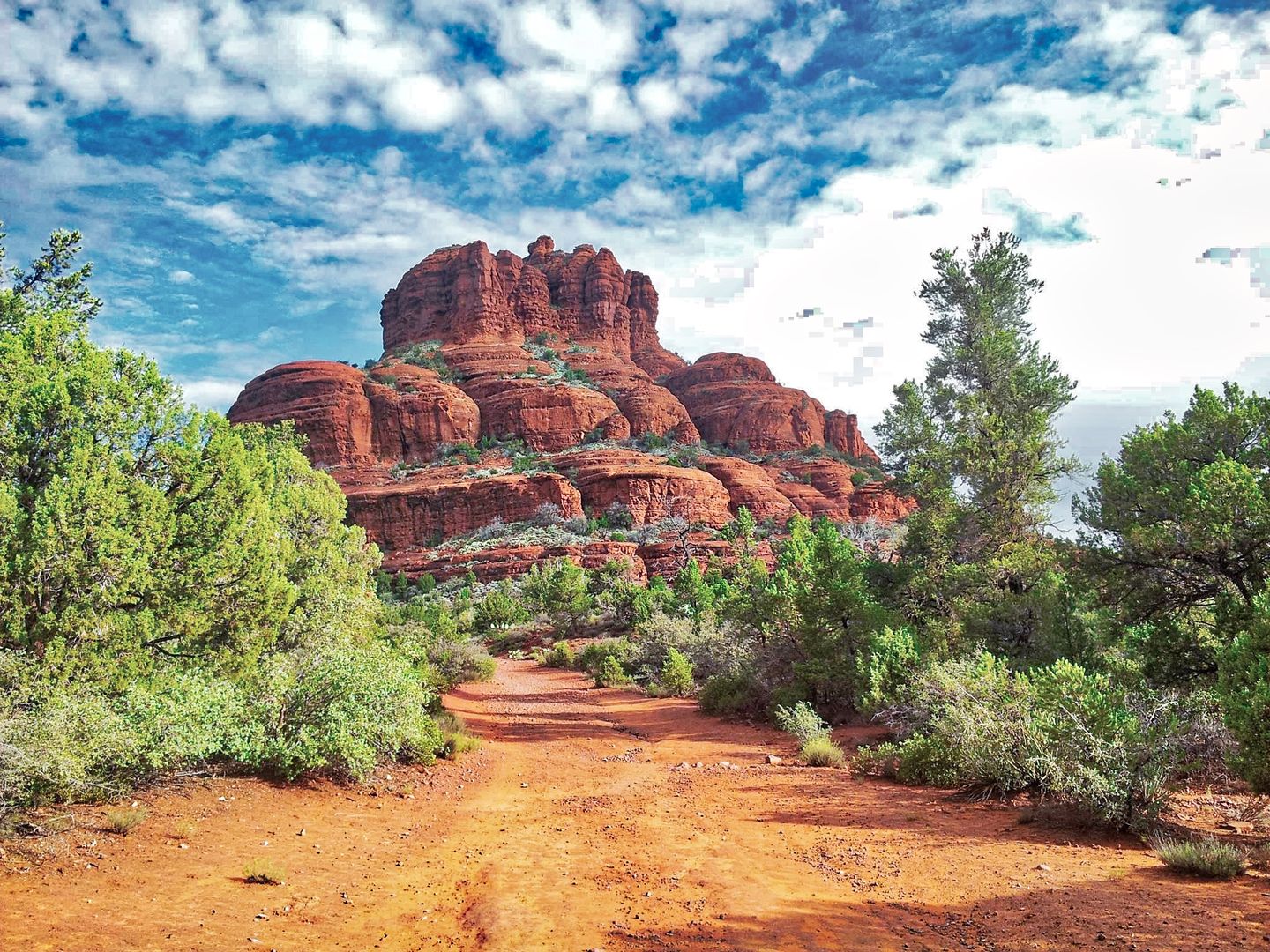
For the Southwest, I plan like the sun is my boss—because it is. Zion, Bryce Canyon, Capitol Reef, Canyonlands, and Arches link beautifully into a loop that can be done in seven to fourteen days depending on how much you hike. Start mornings early, carry more water than you think you need, and don't build an itinerary that requires you to be outdoors at 2 p.m. in mid-summer.

If you're adding the Grand Canyon, choose your rim carefully based on your route and travel time. It's huge, and it's right there is a lie you tell yourself while you're still two hours away from the viewpoint you had in mind.

The Blue Ridge Parkway is the antidote to overplanning, and I mean that as a compliment. It's 469 miles long, and it connects Shenandoah National Park's Skyline Drive area in Virginia down to Great Smoky Mountains National Park in North Carolina. The best way to do it is not to do it, but to savor it—short hikes, picnic pull-offs, and small towns where the bakery becomes the highlight because you weren't rushing.

One of my favorite mental postcards is the Linn Cove Viaduct curling around Grandfather Mountain—exactly the kind of view that makes you pull over, sit on a rock, and suddenly stop talking.


Elevated highway viaduct curving through forested mountain landscape
The Linn Cove Viaduct curves elegantly around Grandfather Mountain on the Blue Ridge Parkway

Route 66 and the Keys

Route 66 is a different kind of epic: less about nature's grandeur and more about the country's personality. The original route is commonly cited as 2,448 miles, and even if you don't drive every mile, it's a fantastic framework for stitching together diners, historic motels, kitschy attractions, and main streets that still feel like they belong to another decade. The trick is to accept that you'll be bouncing between alignments—bits of original road, frontage roads, and modern highways—so your navigation has to be intentional. This is where old-school paper maps and a patient mindset beat frantic rerouting. If you want a quick hit of I can't believe this is a road, the Overseas Highway in the Florida Keys delivers. The Overseas Highway segment through the Keys is widely described as 113 miles, and it's the kind of drive where the horizon feels too big to be real. It's also the kind of place where timing matters: storms, weekend traffic, and limited lodging can turn easy breezy into why is every place booked and also expensive. I treat it as a two- to four-day trip: one day to drift south with stops, one or two days to enjoy the Keys without driving much, and a return day that isn't scheduled like an airport sprint.


Fatal error: Uncaught ValueError: Unknown format specifier "," in /srv/sites/wanderlust-chronicles/wp-content/themes/trafium-ai/parts/author_box_extended.php:89 Stack trace: #0 /srv/sites/wanderlust-chronicles/wp-content/themes/trafium-ai/parts/author_box_extended.php(89): sprintf('flex: 0 0 auto;...', 96) #1 /srv/sites/wanderlust-chronicles/wp-content/themes/trafium-ai/functions.php(434): include('/srv/sites/wand...') #2 /srv/sites/wanderlust-chronicles/wp-content/themes/trafium-ai/templates/blog-post.php(50): trafium_ai_render_post_block('author_box_exte...', 77, 15) #3 /srv/sites/wanderlust-chronicles/wp-includes/template-loader.php(106): include('/srv/sites/wand...') #4 /srv/sites/wanderlust-chronicles/wp-blog-header.php(19): require_once('/srv/sites/wand...') #5 /srv/sites/wanderlust-chronicles/index.php(17): require('/srv/sites/wand...') #6 {main} thrown in /srv/sites/wanderlust-chronicles/wp-content/themes/trafium-ai/parts/author_box_extended.php on line 89