Skip to content

Solo Travel Basics for First-Timers

mm Maya Hartwell 11 min read

Six Essential Takeaways

  • Start with a low-friction destination, not a high-drama flex
  • Budget with a daily cap plus a surprises buffer
  • Share your lodging details and check-in plan with one person
  • Build redundancy: two cards, backups of key documents, offline maps
  • Choose lodging for location and safety, not just vibes
  • One anchor plan per day beats a jammed itinerary

Choose Easy Over Impressive

The first time you go alone, you'll feel weirdly visible and weirdly invisible at the exact same time. You'll notice couples holding hands, friend groups splitting appetizers, and the occasional bartender who takes pity on you and offers the big table like you're a lost golden retriever.

Then, somewhere between the second coffee and your first wrong turn, you'll realize a quiet superpower of single travel: you can change your mind without negotiating with anyone. That freedom is the point—your planning just needs to protect it.

Before you pick a destination, pick your tolerance for friction. For a first-timer, easy beats impressive. Easy can mean same language, strong public transit, a compact city center, or simply a place where you won't arrive exhausted at 1:00 a.m. and still need to figure out how to get a key from a lockbox in the dark.

Choose a first trip solo where you can land, get to your bed in under an hour, and walk to food without needing a motivational speech. Save the multi-border overnight bus saga for later, when your chaos muscles are stronger.

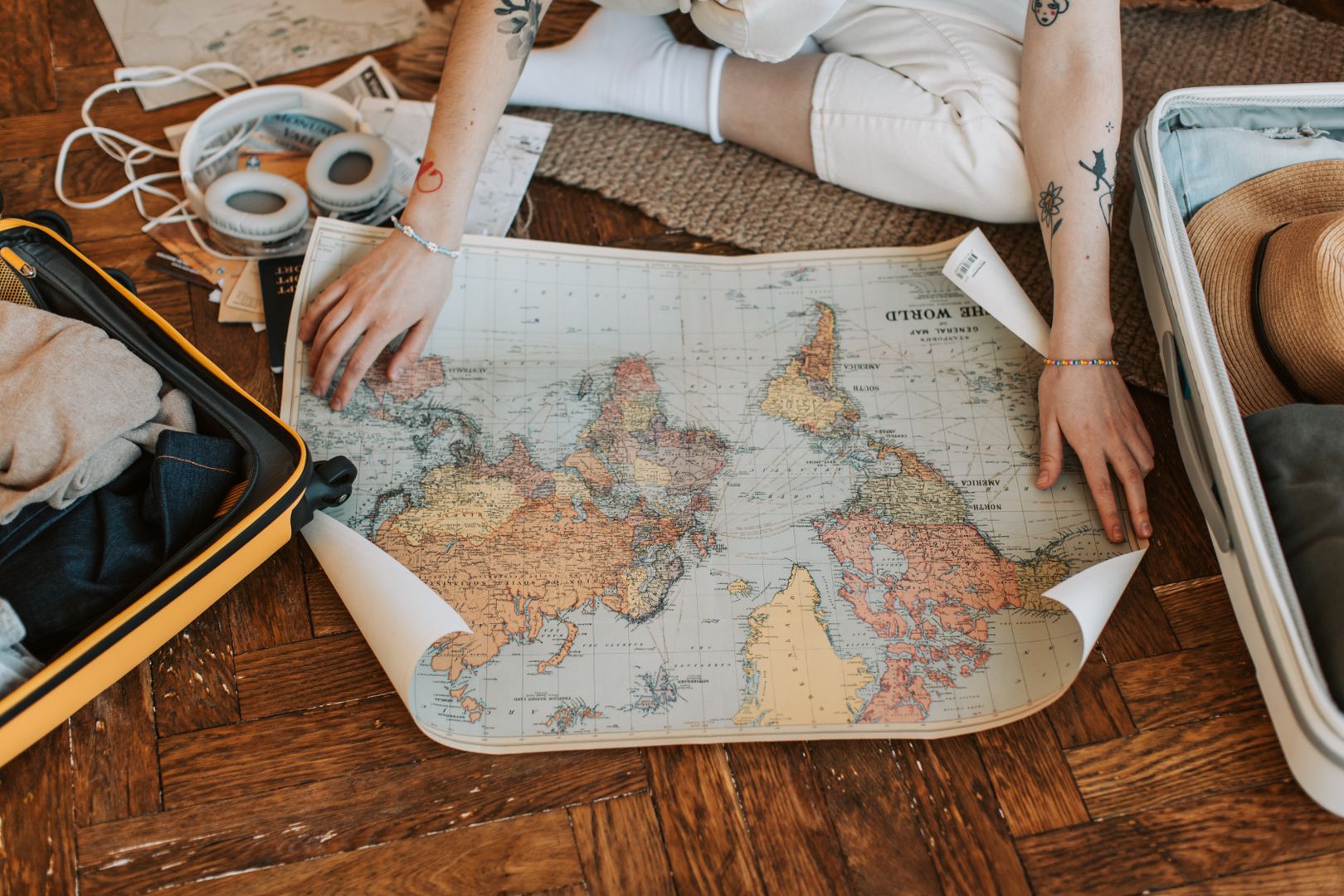
Solo traveler planning trip with map and coffee
Solo travel rewards preparation, but it shouldn't catastrophize every moment

Money Drama Prevention

Build a simple daily spending cap you can actually live with, then add a buffer for surprises

Fixed Costs You Should Know

As of March 19, 2026, these are the standard fees for U.S. travelers building their first solo trip. None of this is mandatory, but it's the kind of small cost that's only small if you plan for it.

  • U.S. passport book application: $130, plus $35 acceptance fee if applying in person
  • Global Entry application: $120 for five years of expedited customs and TSA PreCheck
  • TSA PreCheck enrollment through IDEMIA: $76.75 for five years (renewals can be cheaper)
  • Travel insurance average: $307 per policy for a 15-day trip (varies by age, trip cost, destination)

Safety Planning That Works

Safety planning should be specific, not spooky. I don't mean buy a whistle and watch a documentary about scams. I mean: decide how you'll communicate, how you'll get help, and how you'll reduce the odds of being in a vulnerable situation. If you're traveling abroad with a U.S. passport, enroll in the State Department's Smart Traveler Enrollment Program (STEP) so you can receive alerts and make it easier for the nearest U.S. embassy or consulate to contact you in an emergency. Put local emergency numbers in your phone before you need them. In the EU, 112 is the single emergency number that works across all EU countries—still learn any local numbers too, but 112 is a solid baseline when your brain goes blank. A plan looks like this: you share your hotel or hostel name and address with one trusted person, you send them your rough route for travel days, and you agree on a check-in rhythm that's realistic—something like I'll text when I land and when I'm back at my place at night. You also decide what you will not do on day one: maybe no late-night wander with headphones, no getting hammered while you're still learning the neighborhood, no shortcuts through unlit parks because Google Maps is feeling creative.

Four Logistics Basics

Image

There are four basics I never skip when I'm alone: redundancy, documentation, connectivity, and cash access. Redundancy means you don't bet your whole trip on one phone, one card, or one app. Carry two payment cards stored separately, and keep a small amount of local currency for places that still do cash.

Booking Smart Lodging

Don't just look at the price and the photos—read the negative reviews for patterns

What to Look For

When you're booking lodging, don't just look at the price and the photos. Read the negative reviews—specifically for patterns around noise, cleanliness, and staff. If five different people mention the same issue, believe them.

Pay attention to location descriptions that sound like a riddle. Fifteen minutes from downtown can mean fifteen minutes by car at 2:00 a.m., which translates to an hour-long ordeal involving three buses and a prayer when you arrive jet-lagged at noon.

If you're trying to meet people, choose places with common areas and social energy. If you need sleep and quiet, choose places that emphasize calm. Solo doesn't have to mean lonely, but it also shouldn't mean you accidentally booked the World's Loudest Hallway.

I'm a big fan of a simple first-timer itinerary: one anchor activity per day, plus a wandering window. Anchors are your non-negotiables—the museum ticket you bought, the hike you planned, the food market you want to hit early.

The wandering window is where you follow your curiosity without wrecking the whole day. This structure keeps you from over-planning while still making sure you don't spend day three scrolling on your phone asking strangers where to eat.

Also: build in admin time. Laundry, groceries, pharmacy, transit cards—these tiny tasks take longer when you're navigating a new place alone.


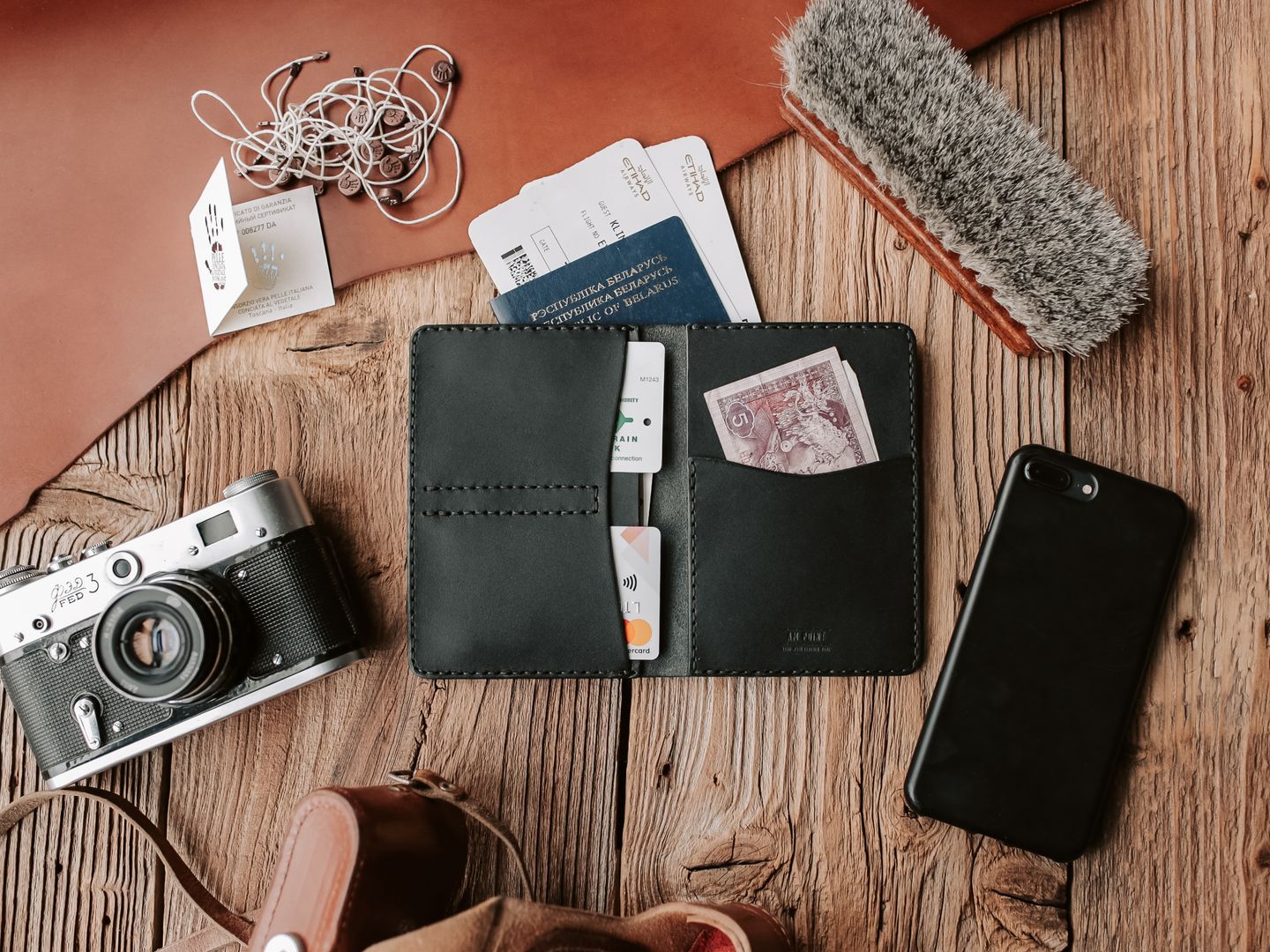
Organized travel backpack with essentials laid out
Pack for mobility, not options—a tight kit that prevents problems

Packing Without Self-Sabotage

Packing is where a lot of first-timers quietly sabotage themselves. You don't need gadgets; you need a tight kit that prevents problems. My don't be mad at yourself later list looks like this: a power bank, a charging cable you've actually tested, a small combination lock useful in shared spaces, a photocopy or digital copy of your ID, a basic first-aid pouch, and one outfit that can handle a nice dinner or an unexpected meeting without making you feel like you're wearing your hiking clothes to a candlelit table. You're not packing for your fantasy self; you're packing for the version of you who will spill coffee and still want to go outside. Dragging a heavy bag up five flights of stairs in a building that definitely doesn't believe in elevators is a solo travel rite of passage you can skip. Socially, solo travel works best when you give yourself permission to be both open and selective. Talk to people on walking tours, in cafés, in coworking spaces, at language exchanges—places with built-in structure. If someone invites you somewhere, meet in public and keep your exit easy.


Fatal error: Uncaught ValueError: Unknown format specifier "," in /srv/sites/wanderlust-chronicles/wp-content/themes/trafium-ai/parts/author_box_extended.php:89 Stack trace: #0 /srv/sites/wanderlust-chronicles/wp-content/themes/trafium-ai/parts/author_box_extended.php(89): sprintf('flex: 0 0 auto;...', 96) #1 /srv/sites/wanderlust-chronicles/wp-content/themes/trafium-ai/functions.php(434): include('/srv/sites/wand...') #2 /srv/sites/wanderlust-chronicles/wp-content/themes/trafium-ai/templates/blog-post.php(50): trafium_ai_render_post_block('author_box_exte...', 80, 15) #3 /srv/sites/wanderlust-chronicles/wp-includes/template-loader.php(106): include('/srv/sites/wand...') #4 /srv/sites/wanderlust-chronicles/wp-blog-header.php(19): require_once('/srv/sites/wand...') #5 /srv/sites/wanderlust-chronicles/index.php(17): require('/srv/sites/wand...') #6 {main} thrown in /srv/sites/wanderlust-chronicles/wp-content/themes/trafium-ai/parts/author_box_extended.php on line 89