Money management is the part nobody posts about, which is why so many people get blindsided. I track spending daily—two minutes, tops—because I'll check later is how you wake up on day six realizing you've been spending like it's an unlimited subscription.
I set a daily limit and treat it like a speed limit: you can go over sometimes, but you want to know when you're doing it and why. If you're traveling with friends, agree early on what budget and travel means for the group.
One person's cheap is another person's absolutely not, and nothing kills a good travel day like an argument over a $28 brunch. Once you're on the ground, local transportation is where you can either feel rich or feel trapped.
In walkable places, your best budget tool is your own two feet—followed closely by buses and metro systems. In car-dependent regions, compare a rental car against a mix of intercity buses, trains, and rideshare, but don't forget hidden costs like parking, tolls, and fuel.
The biggest budget blowups often come from embarrassment and impatience. You don't want to look clueless, so you say yes to the first taxi, the first overpriced exchange booth, the first helpful person who insists you need a special ticket.
Slow down. Use official ATMs whenever possible, and decline dynamic currency conversion if a card terminal offers to charge you in USD—you're usually paying for that convenience. If a deal sounds too good, it's often a distraction from the fee you'll notice later.
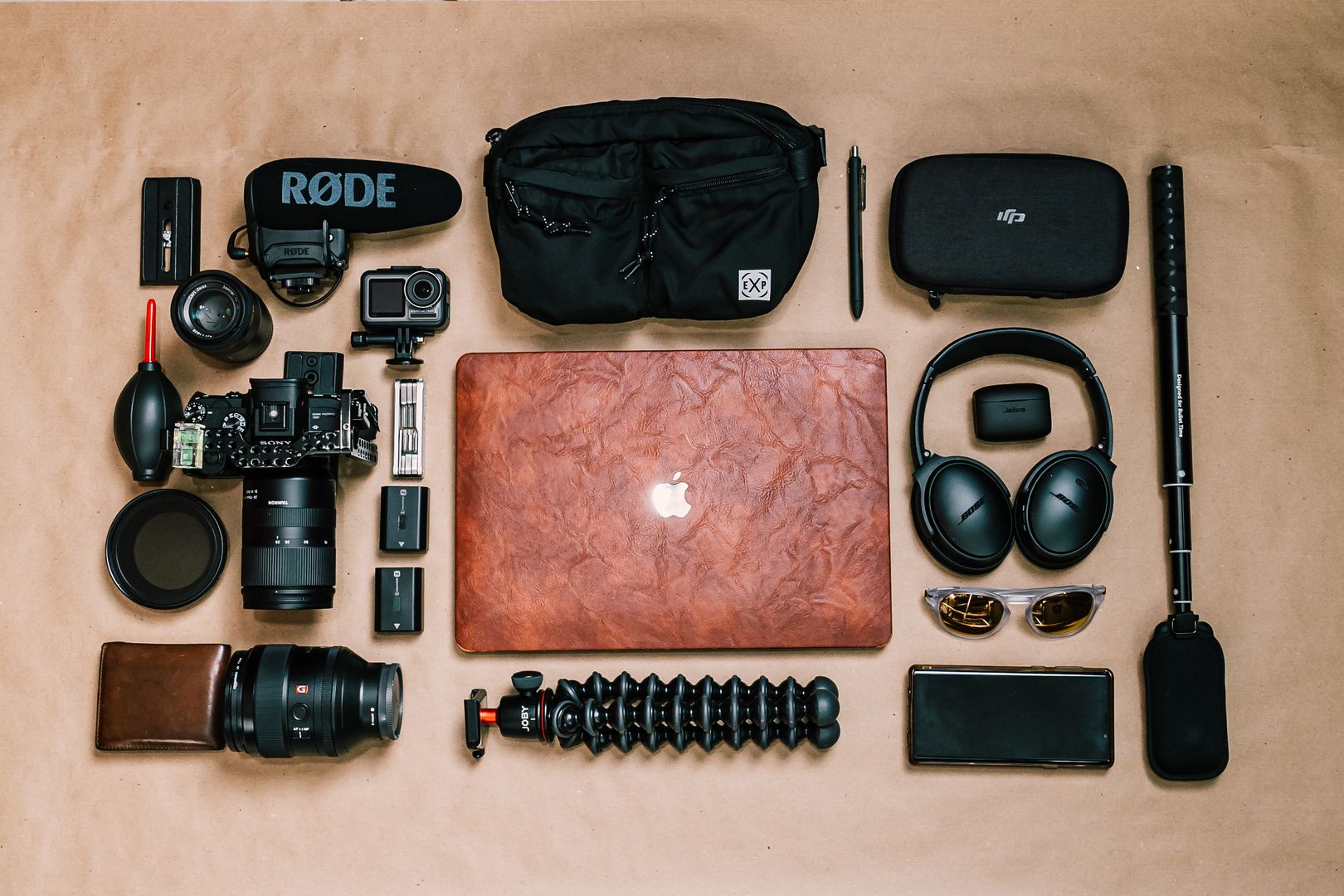
Backpacking for cheap isn't about owning the right gear—it's about owning less of it. Every extra item is weight, decision fatigue, and sometimes an airline fee. Pack for laundry, not for infinity.
The most expensive travel mistake I keep seeing is buying a bunch of just in case stuff instead of planning for simple solutions: a small laundry kit, a basic first-aid pouch, and a backup card stored separately.